Play Manuscript
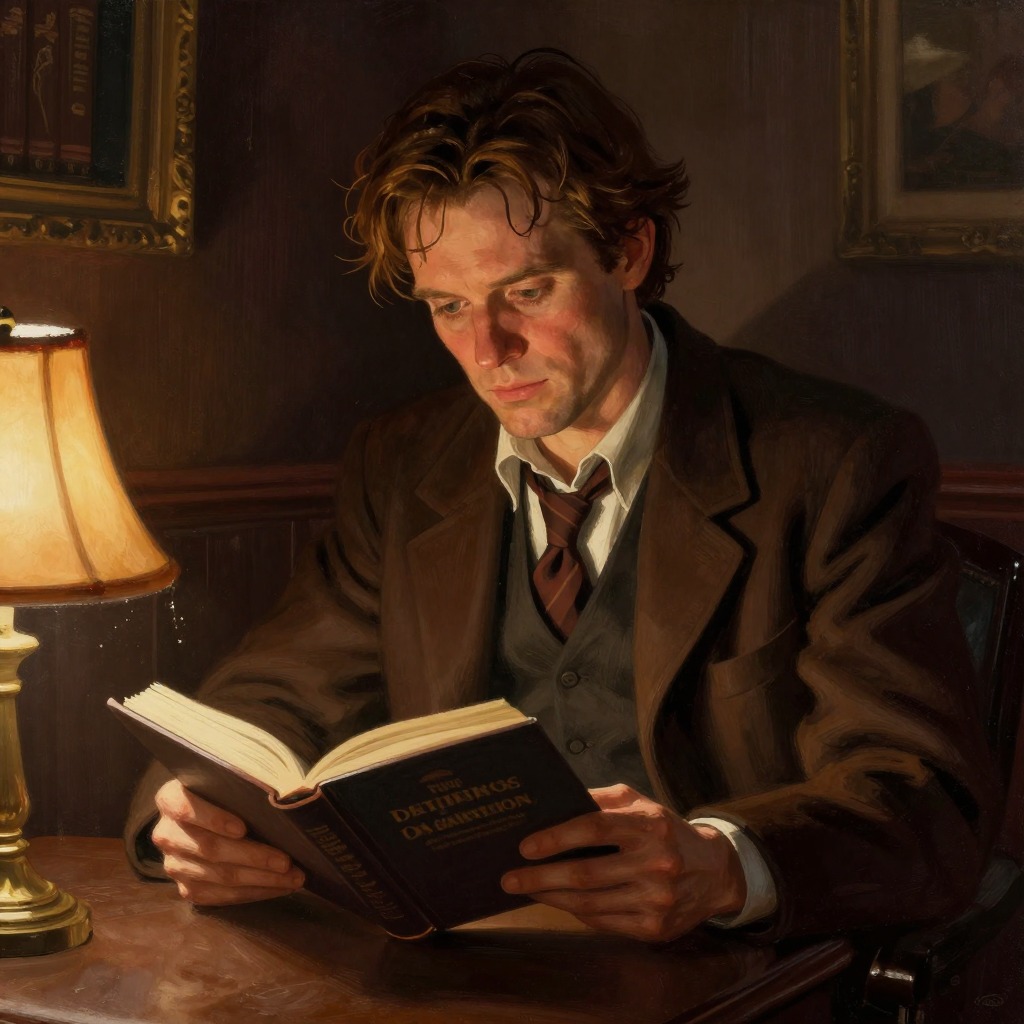
The Play Manuscript, titled The Little School, is Jack Torrance's unfinished three-act play, a central object that embodies his creative ambition, his psychological struggles, and his ultimate failure. It serves as a barometer of his mental state, his relationship with his family, and his susceptibility to the Overlook Hotel's corrupting influence. The play's stalled progress and eventual abandonment mark the collapse of Jack's rational self and his surrender to the hotel's malevolent power.
Identity and Background
The play, The Little School, was a project Jack had been developing for years, originating from a novelette he wrote as an undergraduate. It is a three-act drama set in a turn-of-the-century New England prep school, focusing on the conflict between Denker, a brutal headmaster, and Gary Benson, a gifted student Denker sees as a younger version of himself. Jack's agent in New York, Phyllis Sandler, had expressed interest in the play, and Jack had been working on it during his time teaching at Stovington Preparatory Academy. The manuscript was a physical object of immense personal significance; after the family's move to Colorado, Jack was frantic when he believed the trunk containing the play had been lost by the movers, only for his son Danny to reveal it was stored "under the stairs" in the basement of their Boulder apartment building.
Arc Through the Plot
Jack's relationship with the play directly mirrors his psychological journey. During the early, hopeful weeks at the Overlook, the play's progress becomes a source of immense satisfaction. He feels the creative block that plagued him at Stovington dissolving, and he believes he can rough out the entire play by New Year's. This period of productivity coincides with his sense of healing and peace. However, as the hotel's influence grows, Jack's confidence in his work erodes. He begins to develop "opposing feelings about his characters," finding himself loathing his hero, Gary Benson, whom he now sees as a cynical, cunning manipulator, and sympathizing with the villainous Denker. This internal conflict paralyzes him, and he can no longer finish the play. The manuscript, once a symbol of his recovery, becomes a testament to his unraveling mind. In a moment of frustration, he slams the playscript down, knocking the edges of the pile out of true and crumpling the sheets on the bottom, a physical manifestation of his inner turmoil.
Key Actions and Objectives
For Jack, completing The Little School is more than a creative goal; it is a therapeutic act. He believes that finishing the play will close the door on the "bad years" at Stovington, including his alcoholism, the assault on his son Danny, and the incident with George Hatfield. The play itself is a "roadblock, a colossal symbol of the bad years," and finishing it represents a final break from his past failures. His objective is to use the isolation of the Overlook to achieve this artistic and personal redemption. The play is also a practical tool for re-establishing his career; he hopes its success might lead to a Broadway run or, at the very least, help him regain his teaching position at Stovington.
Relationships and Conflict
The play becomes a point of contention in Jack's relationships. His wife, Wendy, sees his writing as a positive sign, a way for him to close the door on his demons. However, Jack's growing obsession with the Overlook's history, which he discovers in a scrapbook in the basement, diverts his attention from the play. This shift in focus is a source of conflict, as his friend Al Shockley forbids him from writing a book about the hotel, a project that has begun to consume him. The play itself also reflects Jack's internal conflict; his changing sympathies for his characters—from the abused student to the abusive headmaster—foreshadow his own transformation into a violent figure under the hotel's influence. The play's central theme of a teacher's abuse of power becomes a dark mirror of Jack's own potential for violence.
Change and Ending
The Play Manuscript is ultimately abandoned. Jack's creative energy is entirely redirected towards the hotel's history, and his mental state deteriorates to the point where he can no longer write. The play, once a symbol of hope, becomes a relic of a failed attempt at redemption. In the final stages of his possession, Jack is no longer concerned with his art; his only objectives are to punish his wife and son and to serve the hotel. The manuscript is left behind in the wreckage of the Torrances' quarters, a forgotten artifact of the man Jack once was. Its unfinished state is a final, damning verdict on his life: a promising beginning that ended in chaos and destruction.
Thematic Significance
The Play Manuscript functions as a powerful symbol of Jack Torrance's tragic flaw: his inability to reconcile his creative ambition with his personal demons. The play's stalled progress represents the failure of his will and the triumph of his destructive impulses. It also serves as a critique of the artist's myth of suffering, suggesting that Jack's belief in his own victimhood—that he was "acted upon" rather than acting—is a self-serving delusion that ultimately enables his violence. The play's title, The Little School, and its setting in a repressive institution, ironically mirror the Overlook itself, a place that becomes a school for cruelty and madness, where Jack is both the brutal headmaster and the wayward student.